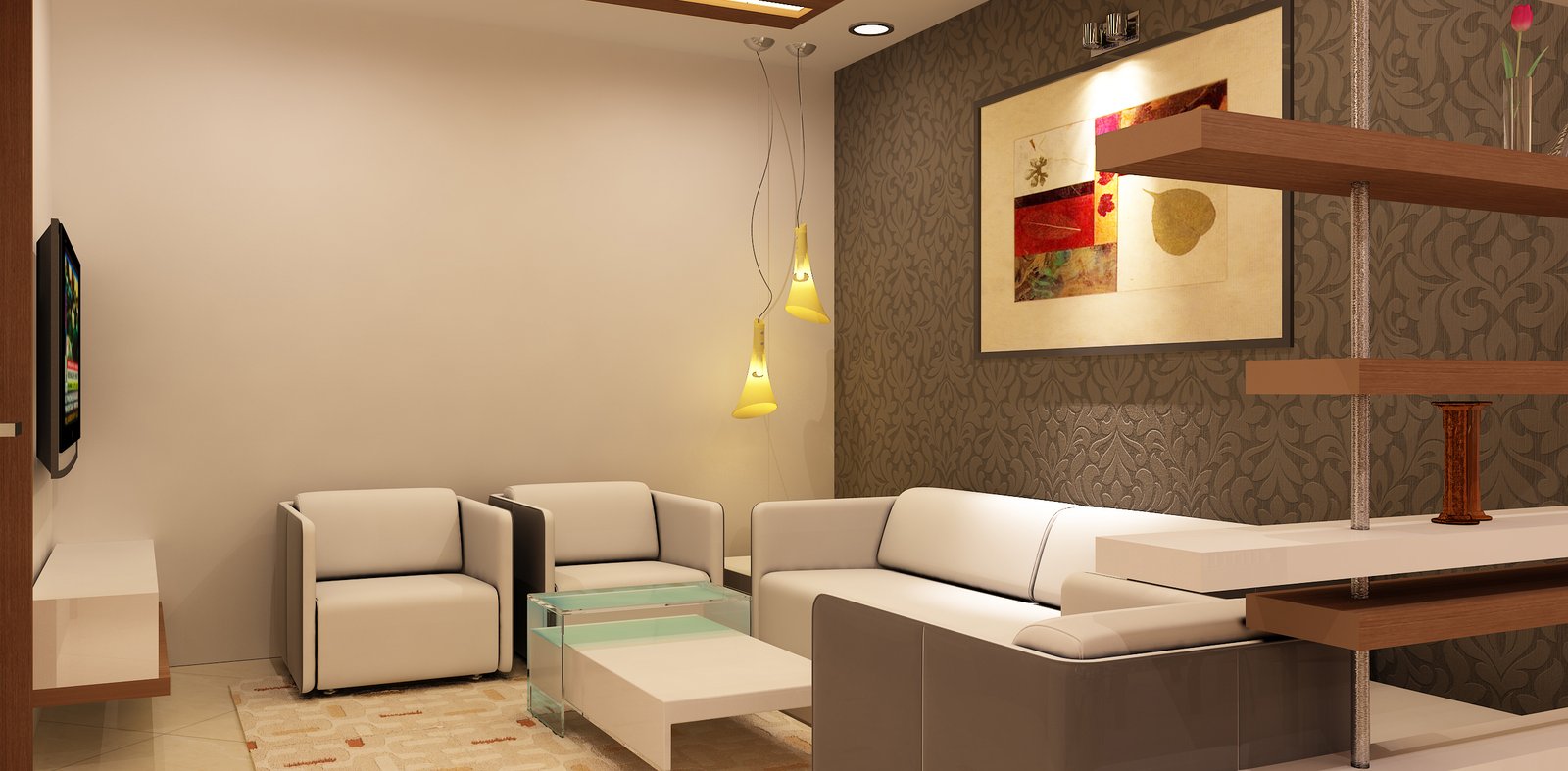
Interior design in 2026 is moving beyond simply making a space look beautiful. The focus is now on creating interiors that feel warm, functional, personal and timeless.
After years of designing homes, offices and commercial spaces, I believe the biggest change is this: people no longer want interiors that look like a showroom—they want spaces that reflect how they actually live and work.
Here are the trends I believe will define 2026.
1. Warm Minimalism
The cold white-and-grey minimalist look is gradually giving way to warmer interiors.
Think natural wood, beige, cream, warm whites, soft fabrics and subtle textures. The objective is not to remove everything from the room, but to keep only what adds value.
A good minimalist interior should feel calm, not empty.
2. Biophilic Design
Nature is becoming an important part of modern interiors.
Indoor plants, natural wood, stone, daylight, indoor gardens and nature-inspired colours can make a space feel more comfortable and connected to the outdoors.
For Indian homes, even a small balcony garden, planter wall or natural-wood feature can create a significant difference.
3. Smart Technology That You Don’t See
Smart homes are becoming more sophisticated.
In 2026, technology is increasingly being integrated into the interior rather than displayed.
Concealed charging points, automated curtains, smart lighting, sensor-based systems and integrated home automation can provide convenience without disturbing the aesthetics of the space.
The best technology is often the technology you don’t notice.
4. Natural and Earthy Materials
Materials are becoming more tactile and natural.
Wood, stone, cane, linen, textured laminates, terracotta-inspired finishes and earthy colours are being used to create depth.
Colours such as olive green, terracotta, sand, beige, walnut and warm brown can create a sophisticated atmosphere without making the space feel overly luxurious.
5. Curved Furniture and Soft Forms
Straight lines will always have their place in interior design, but curves are becoming increasingly popular.
Rounded sofas, curved partitions, arches, circular mirrors and organically shaped furniture can soften a space and make it feel more welcoming.
The key is balance. One or two strong curved elements can be more effective than making everything curved.
6. Multifunctional Spaces
Today’s homes need to work harder.
A spare room may need to function as a guest bedroom, home office and study. A dining area may also become a workspace.
This is where intelligent space planning becomes critical.
Sliding partitions, concealed storage, foldable furniture and multifunctional units can help homeowners get more value from every square foot.
7. Layered Lighting
Lighting is no longer just about putting downlights in the ceiling.
A professionally designed interior combines:
- Ambient lighting
- Task lighting
- Accent lighting
- Cove lighting
- Decorative lighting
The right lighting can completely change the character of a room.
Good interior design is often 50% design and 50% how you light it.
8. Personalised Interiors
One of the biggest trends I expect to continue is personalisation.
Instead of copying a Pinterest or Instagram interior exactly, homeowners are increasingly asking:
“How can we make this space ours?”
Family photographs, artwork, books, travel memories, handcrafted products and meaningful furniture can give a home its identity.
9. Timeless Design Over Short-Lived Trends
As a designer, this is perhaps my strongest recommendation for 2026:
Don’t follow every trend.
A trend may look fantastic today and feel outdated in five years.
Invest in good planning, proportion, storage, lighting and quality materials. Use trendy colours and accessories where they can be changed easily.
A successful interior should look good today, five years from now and even ten years from now.